

Menu
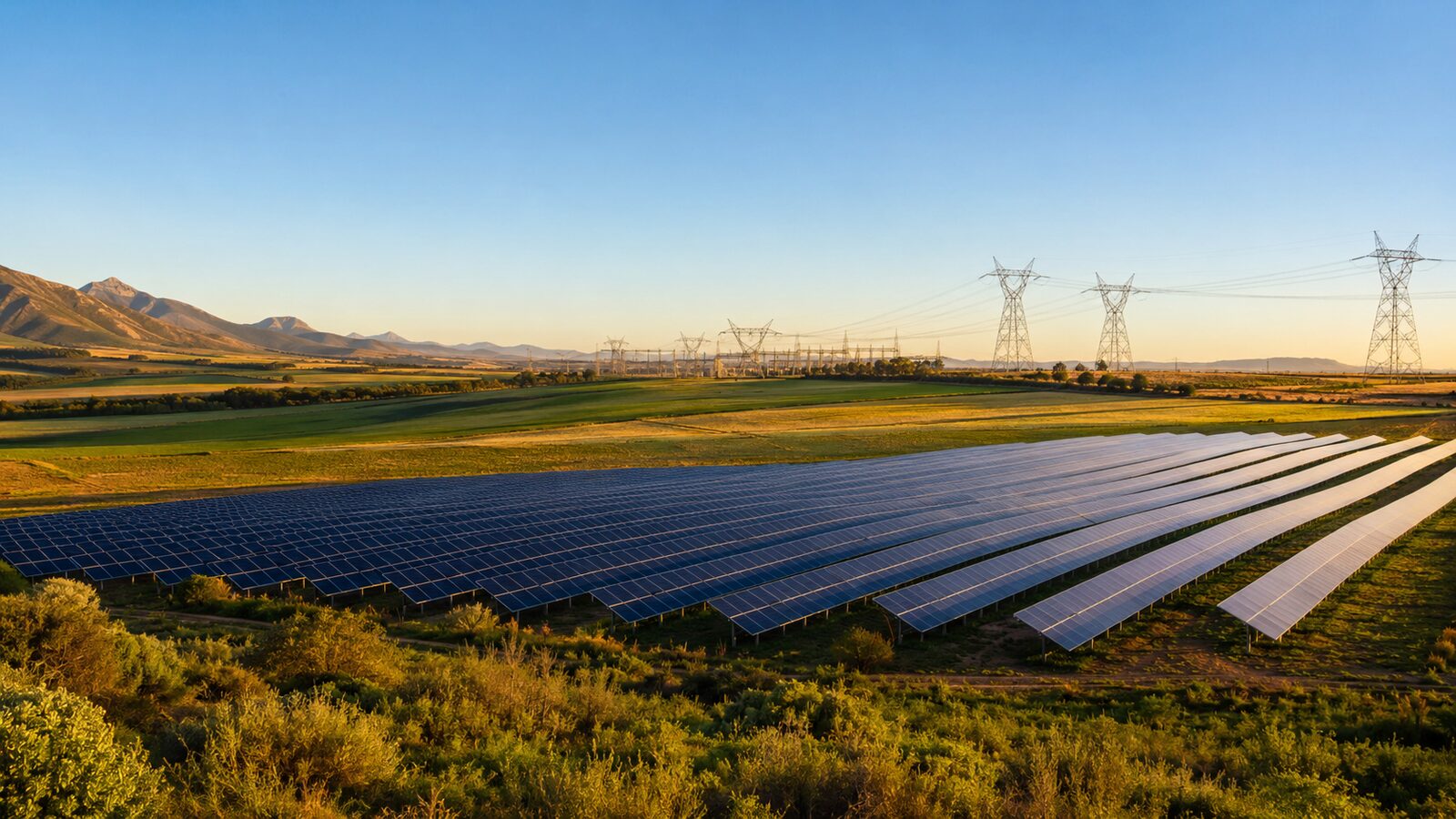
The grid moves electricity. Agreements allocate value.
Wheeling enables qualifying renewable energy generated in one location to be commercially allocated to a buyer at another eligible point on the electricity network.
Physical flow and commercial allocation are different.
Electricity flows through the interconnected network according to system conditions—not along a private path reserved for one buyer. Metering and settlement rules measure the generator’s export and the buyer’s consumption, then apply the agreed commercial allocation.
The network operator continues to perform an essential role and may retain network, demand, service and other regulated charges.
More than one relationship may be required.
Power purchase agreement
Defines energy volumes, price, term, escalation, performance obligations, credit support and risk allocation between the relevant parties.
Network participation
Sets the network operator’s rules for connection, metering, data, wheeling charges, reconciliation and billing.
Metering & settlement
Determines how generation and consumption data are measured, validated, allocated and translated into commercial invoices or credits.
Commercial terms must survive real operating conditions.
Volume
Expected output, minimum commitments, shortfall, surplus and curtailment treatment.
Price
Energy rate, escalation, time-of-use structure, adjustments and pass-through costs.
Term
Start date, duration, extension, early termination and change-in-law treatment.
Risk
Credit, performance, force majeure, network events, data failure and dispute mechanisms.
Wheeling without the jargon.
Does the buyer receive only renewable electrons?
No. The network pools electricity physically. Renewable energy is attributed through verified metering and the agreed commercial settlement mechanism.
Who invoices whom?
The answer depends on the final contractual and licensing structure. The agreements must clearly define energy invoices, network bills, credits, fees and settlement responsibilities.
Can one generator supply several buyers?
Potentially, subject to available generation, network rules, metering, agreements and the allocation mechanism. The feasibility must be assessed case by case.